Across the ABC islands, solar energy is transforming how communities power their homes and businesses. However, each island’s unique regulatory environment, infrastructure, and approval processes create distinct timelines for solar installations. Understanding these differences empowers you to plan effectively and set realistic expectations for your renewable energy journey.
Whether you’re a homeowner in Aruba tired of sky-high electricity bills or a business owner in Curaçao seeking energy independence, knowing what to expect during the solar installation process helps you move forward with confidence. The timeline from initial consultation to flipping the switch on your solar system varies considerably across Bonaire, Aruba, and Curaçao—and being prepared makes all the difference.
The ABC Islands Solar Landscape: What Makes Each Unique
The ABC islands—Aruba, Bonaire, and Curaçao—share the Caribbean’s abundant sunshine, yet each island has developed its own approach to renewable energy adoption. These differences stem from varying governmental structures, utility company protocols, and regulatory frameworks that directly impact solar installation timelines.
Aruba has positioned itself as a renewable energy leader in the Caribbean, with ambitious goals and streamlined processes that reflect its commitment to sustainability. Bonaire’s smaller size and unique status within the Netherlands create a different regulatory environment, while Curaçao’s larger population and infrastructure present their own considerations for solar adopters.
Understanding these nuances isn’t just administrative knowledge—it’s about knowing when you’ll start seeing those dramatically lower electricity bills and contributing to your island’s sustainable future.
Solar Installation Timeline in Aruba
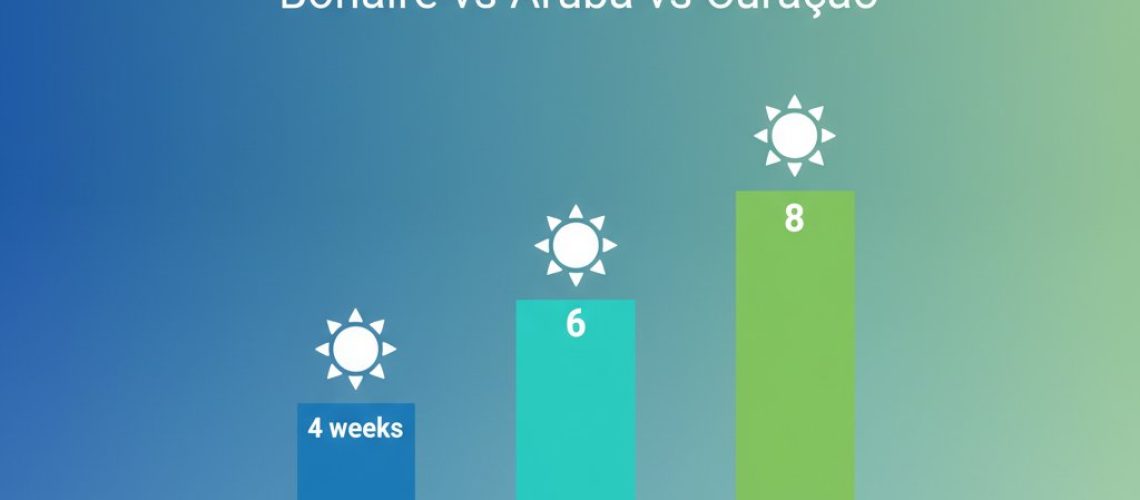
Aruba’s solar installation process has become increasingly efficient as the island pushes toward its renewable energy goals. The typical solar timeline Aruba residents and businesses experience ranges from 6 to 12 weeks from initial consultation to system activation.
Phase One: Consultation and Design (1-2 Weeks)
Your solar journey begins with a comprehensive site assessment. During this phase, experienced solar professionals evaluate your property’s electrical consumption patterns, roof condition, available space, and sun exposure. For commercial installations requiring 20 kWp to 100+ kWp systems, this assessment includes detailed load analysis to ensure your system meets business demands.
The design phase produces a customized solar solution that addresses Aruba’s specific conditions—including coastal salt exposure and strong trade winds. You’ll receive a detailed proposal outlining system size, expected energy production, and a clear breakdown of your return on investment, typically achievable within 3-5 years given Aruba’s high electricity rates.
Phase Two: Permitting and Utility Approval (2-4 Weeks)
Caribbean solar permits in Aruba involve coordination with both the Department of Infrastructure and WEB Aruba N.V., the island’s utility company. The permitting process includes structural approval for roof-mounted systems and electrical permits ensuring safe grid interconnection.
Aruba’s regulatory framework has matured significantly, creating more predictable approval timelines compared to earlier years. However, factors like application completeness and seasonal processing volumes can influence this phase. Working with experienced local solar installers who understand Aruba’s specific requirements accelerates this process considerably.
Phase Three: Installation (1-2 Weeks)
Once permits are secured, physical installation moves quickly. Residential systems typically take 2-5 days, while larger commercial installations may require 1-2 weeks. Skilled installation teams work efficiently while ensuring proper mounting systems that withstand coastal conditions and optimize energy production.
The installation includes mounting solar panels, installing inverters and monitoring systems, completing electrical connections, and implementing safety equipment that meets both international standards and Aruba’s specific codes.
Phase Four: Inspection and Activation (1-2 Weeks)
Final inspections by both municipal authorities and WEB Aruba ensure your system meets all safety and technical requirements. Upon approval, your system receives permission to operate, meters are configured for net metering (where applicable), and you begin generating clean, cost-saving solar energy.
Many Aruban solar adopters describe that first moment seeing their meter run backward as deeply satisfying—tangible proof that they’re reducing electricity costs while contributing to the island’s energy independence.
Solar Installation Timeline in Bonaire
Solar installation Bonaire projects follow a unique path influenced by the island’s special municipality status within the Netherlands and its smaller scale infrastructure. The typical timeline extends 8 to 14 weeks from consultation to system activation.
Bonaire’s Distinct Regulatory Environment
Bonaire’s governmental structure creates a permitting process that sometimes involves both local authorities and Dutch regulatory considerations. The island’s utility company, ContourGlobal Bonaire, manages grid interconnection approvals with protocols that differ from its ABC island neighbors.
The solar installation process Bonaire follows includes similar phases to Aruba—consultation, design, permitting, installation, and activation—but with extended timeframes during the permitting and approval stages. Applications may require additional documentation, and processing times can be longer due to the island’s smaller administrative capacity.
What Bonaire Solar Adopters Should Know
Patience during the permitting phase pays off. While the timeline may be longer, Bonaire’s solar installations benefit from Dutch technical standards and quality requirements that ensure robust, long-lasting systems. The island’s lower electricity costs compared to Aruba and Curaçao mean slightly extended ROI timelines of 4-6 years, but the financial benefits remain substantial.
Bonaire’s tight-knit community means word travels fast about quality solar installations. Working with installers who have established relationships with local authorities and demonstrated experience with Bonaire’s specific requirements streamlines the process significantly.
Solar Installation Timeline in Curaçao
Curaçao’s solar installation timeline typically ranges from 8 to 16 weeks, reflecting the island’s larger size, more complex utility infrastructure, and evolving renewable energy regulations. ABC islands solar installation timelines vary most significantly in Curaçao depending on project size and location.
Navigating Curaçao’s Permitting Landscape
The Caribbean solar permits process in Curaçao involves coordination with Aqualectra, the island’s utility company, and various governmental departments. Recent years have seen efforts to streamline solar approvals, but the timeline remains more variable than in Aruba.
Commercial solar projects in Curaçao, particularly those exceeding 50 kWp, may face extended review periods. However, this thoroughness ensures grid stability and system safety—important considerations given Curaçao’s role as the ABC islands’ economic hub.
Curaçao’s Solar Opportunity
Despite longer timelines, Curaçao presents tremendous solar opportunities. High electricity costs create compelling economics for solar adoption, with many residential and commercial systems achieving ROI within 3-5 years. The island’s substantial commercial sector means opportunities for larger installations that dramatically reduce operating costs while demonstrating corporate environmental responsibility.
Curaçao’s diverse neighborhoods and commercial districts each have characteristics affecting installation timelines. Coastal properties require additional considerations for salt exposure and wind loading, while urban installations may need additional approvals related to historical preservation or neighborhood regulations.
Factors That Influence Solar Installation Timelines Across All ABC Islands
Regardless of which island you call home, several factors consistently influence how quickly your solar system moves from concept to reality:
System Size and Complexity
Residential systems of 5-10 kWp typically proceed faster than commercial installations of 50 kWp or more. Larger systems require more extensive engineering documentation, structural analysis, and utility coordination.
Property Characteristics
Properties with straightforward roof access, newer electrical systems, and optimal solar orientation experience smoother installations. Older buildings may require electrical upgrades, while complex roof designs need additional engineering attention.
Installer Experience and Relationships
Working with solar professionals who have established relationships with local utilities and permitting authorities significantly accelerates timelines. Experienced Caribbean solar installers know exactly what documentation each island requires and how to navigate potential obstacles before they cause delays.
Application Completeness
Thoroughly prepared applications with complete documentation, accurate technical specifications, and professional site assessments move through approval processes much faster than incomplete submissions requiring additional information.
Seasonal Considerations
While the ABC islands enjoy year-round sunshine, administrative timelines can fluctuate based on application volumes and holiday periods. Planning ahead ensures your project stays on track.
Accelerating Your Solar Timeline: Practical Steps
You can’t control every aspect of the solar installation process, but strategic preparation makes a substantial difference:
- Start with thorough research: Understand your energy consumption patterns by reviewing several months of electricity bills before your initial consultation.
- Choose experienced local installers: Companies with proven track records on your specific island navigate permitting processes more efficiently.
- Prepare your property: Address any obvious roof repairs or electrical issues before beginning the solar process.
- Respond quickly to requests: When installers or authorities request additional information, prompt responses keep your project moving forward.
- Maintain realistic expectations: Understanding typical timelines for your island prevents frustration and allows proper planning.
The Timeline Is Worth It: Life After Solar Installation
Whether your solar installation takes 6 weeks or 16, the wait delivers transformative results. ABC islands residents who’ve completed the journey consistently report that the timeline challenges fade quickly once they experience the ongoing benefits.
Dramatically lower electricity bills create immediate financial relief, with many homeowners seeing 70-90% reductions in power costs. Business owners redirect energy savings toward growth, employee benefits, and community investment. The satisfaction of energy independence—knowing your power comes from clean sunshine rather than imported fossil fuels—provides daily reassurance.
Solar systems installed with proper attention to Caribbean coastal conditions deliver reliable performance for 25+ years, meaning the weeks invested in proper installation yield decades of benefits. Your contribution to Caribbean sustainability extends beyond personal savings, helping build energy security for future island generations.
Moving Forward with Confidence
Understanding solar installation timelines across Bonaire, Aruba, and Curaçao empowers you to plan effectively and set realistic expectations. While each island presents unique considerations, all three offer compelling opportunities for solar adoption that transform energy costs, enhance property values, and contribute to sustainable Caribbean futures.
The solar installation process requires patience during permitting phases, but experienced local installers guide you through every step, handling complexity while you focus on envisioning life with dramatically lower electricity bills and clean, renewable energy.
Your island community is already experiencing the solar transformation. Neighbors and fellow business owners who invested in solar systems are enjoying the financial and environmental benefits right now. The question isn’t whether solar makes sense for the ABC islands—abundant sunshine and high electricity costs answer that clearly. The question is when you’ll begin your own solar journey.
Ready to explore how solar energy can transform your property’s energy costs and contribute to Caribbean sustainability? Connect with experienced local solar professionals who understand your island’s specific installation timeline and can provide a customized assessment for your home or business. The path to energy independence begins with a single conversation—and the timeline to lower electricity bills and environmental stewardship starts the moment you take that first step.