
The promise of energy independence and dramatically lower electricity costs awaits property owners across Bonaire, but one question consistently rises to the surface: how long will it take to transform your home or business with solar power? Understanding the timeline for solar installation in Bonaire empowers you to plan effectively while anticipating the moment when Caribbean sunshine begins generating clean, cost-saving energy for your property.
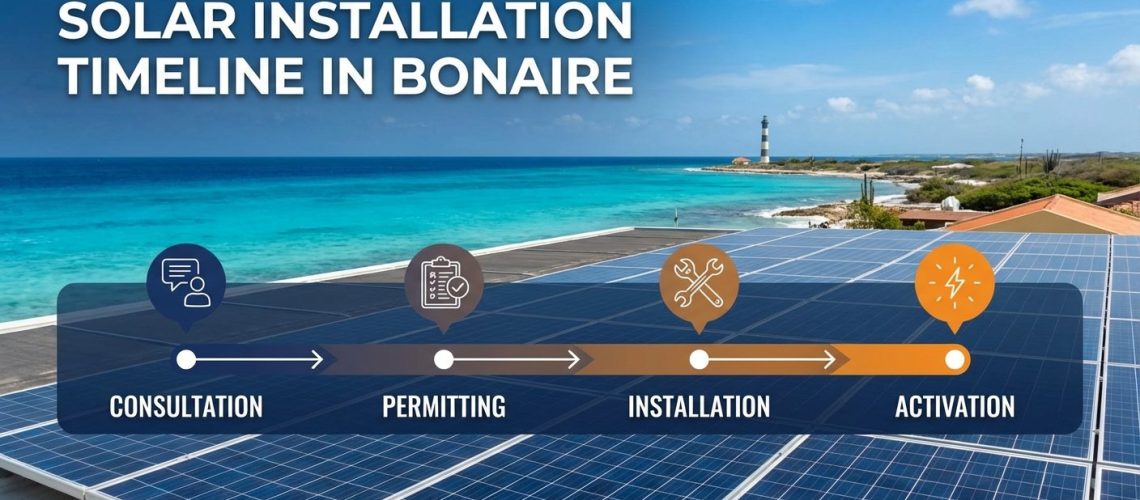
The complete solar installation process in Bonaire typically spans 4 to 12 weeks from initial consultation to system activation. This timeline encompasses design, permitting, equipment procurement, physical installation, and final inspections. While this might seem extensive, each phase serves a crucial purpose in ensuring your system delivers reliable performance for decades while meeting all Caribbean regulatory standards.
Breaking Down the Solar Installation Timeline
The journey toward energy independence unfolds through distinct phases, each contributing to a solar system perfectly matched to your property’s unique characteristics and energy needs.
Initial Consultation and Site Assessment (Week 1)
Your solar transformation begins with a comprehensive property evaluation. During this critical first week, solar professionals analyze your roof structure, assess shading patterns throughout different times of day, examine your electrical panel capacity, and review 12 months of electricity consumption data to understand your energy profile.
This assessment phase establishes the foundation for everything that follows. Experienced solar consultants evaluate coastal exposure considerations specific to Bonaire’s marine environment, determining optimal panel placement for both maximum energy production and long-term durability. They’ll discuss your energy goals, budget parameters, and whether you’re interested in battery storage for enhanced energy security.
For residential properties, typical system sizes range from 5 kWp to 15 kWp, while commercial installations often span 20 kWp to 100+ kWp depending on operational demands. Understanding your consumption patterns allows solar professionals to right-size your system, ensuring you generate sufficient power without overbuilding.
System Design and Proposal Development (Week 2)
Following the site assessment, engineers create a customized solar design tailored to your property’s specifications. This detailed plan includes panel layout configurations, inverter placement, electrical connection pathways, and projected energy production throughout Bonaire’s seasonal variations.
Your proposal outlines the complete financial picture: system cost, available incentives, projected monthly savings, and return on investment timelines. Most Caribbean solar investments achieve ROI within 3 to 5 years, then continue delivering free electricity for 25+ years beyond that payback period.
The design phase also addresses Bonaire-specific considerations like salt air corrosion resistance, optimal tilt angles for the island’s latitude, and structural mounting solutions suited to your roof type. This customization ensures your system withstands the marine environment while maximizing energy generation.
Permitting and Documentation (Weeks 3-5)
Caribbean solar permitting represents one of the most variable timeline components. The permitting phase involves submitting detailed system plans to local authorities, utility companies, and relevant regulatory bodies for approval. This process ensures your installation meets all electrical codes, structural requirements, and grid interconnection standards.
In Bonaire, permitting timelines typically range from 2 to 4 weeks, though complexity can extend this duration. Commercial installations requiring more extensive documentation generally experience longer approval periods than residential projects. Working with solar providers experienced in Caribbean solar permitting significantly streamlines this phase, as they understand local requirements and maintain established relationships with regulatory authorities.
During this period, your solar provider handles the administrative work: completing applications, submitting engineering stamps, coordinating utility approvals, and addressing any questions from reviewing authorities. This removes the burden from property owners while ensuring compliance with all regulations.
Equipment Procurement and Logistics (Weeks 4-6)
Simultaneously with permitting, your solar provider orders equipment specifically selected for Caribbean conditions. This includes high-efficiency solar panels with enhanced corrosion resistance, marine-grade inverters, specialized mounting hardware engineered for coastal environments, and all necessary electrical components.
Island logistics present unique considerations for the solar installation process. Equipment must be shipped to Bonaire, cleared through customs, and transported to your property. Established Caribbean solar companies maintain inventory relationships that minimize delays, but property owners should anticipate 2 to 4 weeks for complete equipment arrival.
Quality matters profoundly in equipment selection. Premium solar panels designed for tropical marine environments feature reinforced frames, corrosion-resistant materials, and warranties appropriate for Caribbean conditions. These specifications ensure decades of reliable performance despite salt air exposure and intense solar radiation.
Physical Installation (Week 7-8)
When equipment arrives and permits are approved, the installation team schedules your solar setup Bonaire project. The physical installation typically requires 2 to 5 days for residential systems, while larger commercial arrays may span 1 to 2 weeks depending on system size and complexity.
Installation crews work systematically through each component. They begin by securing mounting structures to your roof using techniques that maintain waterproof integrity—absolutely essential in Caribbean climates. Next, they position and connect solar panels in the engineered configuration, then install inverters and complete all electrical connections from your array to your electrical panel.
Throughout installation, experienced teams maintain constant attention to quality standards. Every connection is sealed against moisture intrusion, all mounting hardware is torqued to specifications, and electrical work follows stringent safety protocols. This meticulous approach prevents future maintenance issues while ensuring optimal system performance.
Property owners can typically maintain normal routines during installation. Brief electrical service interruptions occur when crews connect the system to your panel, but these outages are scheduled in advance and kept to necessary minimums.
Inspection and System Activation (Weeks 9-10)
Following physical installation, your system undergoes final inspections by local authorities and utility representatives. These inspections verify that all work meets electrical codes, structural requirements, and utility interconnection standards. This quality assurance step protects both property owners and the broader electrical grid.
Inspection scheduling varies based on authority availability, typically adding 1 to 2 weeks to your Bonaire solar timeline. Once inspections pass successfully, utility companies provide permission to operate, officially authorizing your system to begin generating power.
System activation marks the transformative moment when your property begins producing clean energy from abundant Caribbean sunshine. Your solar provider will demonstrate monitoring systems that track real-time production, explain maintenance requirements, and ensure you understand how to maximize your investment.
Factors That Influence Installation Timelines
While the standard timeline provides helpful guidance, several factors can accelerate or extend your specific solar installation process:
- System Size and Complexity: Larger commercial installations naturally require more installation time than residential systems, while battery storage integration adds complexity to design and installation phases.
- Roof Condition and Type: Properties requiring roof repairs before solar installation experience timeline extensions. Different roofing materials also affect mounting approaches and installation duration.
- Permitting Authority Schedules: Government processing times fluctuate based on application volume and staffing. Holiday periods may temporarily slow approval processes.
- Equipment Availability: Global supply chain conditions occasionally impact specific component availability, though established Caribbean solar providers maintain relationships that minimize these disruptions.
- Weather Conditions: While Bonaire enjoys consistent sunshine, occasional weather events can temporarily pause outdoor installation work for safety reasons.
Expediting Your Solar Installation
Property owners eager to accelerate their journey toward energy independence can take proactive steps to streamline the timeline:
Choose experienced Caribbean solar providers who understand local permitting processes and maintain established equipment supply chains. Their expertise navigates potential delays before they impact your timeline.
Complete all requested documentation promptly. Quick responses to information requests during design and permitting phases prevent unnecessary waiting periods.
Ensure your electrical panel and roof are installation-ready. Addressing needed repairs or upgrades before starting the solar installation process eliminates mid-project delays.
Maintain open communication with your solar provider throughout each phase. Understanding timeline expectations and potential obstacles allows for better planning and realistic scheduling.
The Wait is Worth the Transformation
Though several weeks separate initial consultation from system activation, this investment of time yields decades of benefits. Property owners across Bonaire are discovering that patience during installation translates to immediate and lasting rewards: dramatically reduced electricity bills, protection against future utility rate increases, enhanced property values, and the satisfaction of contributing to Caribbean environmental stewardship.
The typical 4 to 12 week timeline ensures every component of your system is properly designed, legally compliant, and professionally installed for maximum longevity. This careful approach prevents the shortcuts that lead to performance issues, safety concerns, or premature system failures.
Beyond individual benefits, each solar installation strengthens Bonaire’s collective movement toward energy independence and sustainability. Your system contributes to reduced fossil fuel dependence, cleaner air quality, and a renewable energy infrastructure that benefits the entire island community.
Frequently Asked Questions
Can solar installation happen faster than the typical timeline?
Expedited installations are occasionally possible for straightforward residential projects when permitting authorities have immediate availability and equipment is in stock. However, rushing critical phases like design validation or permit approvals risks compromising system quality and regulatory compliance. The standard timeline exists to ensure proper installation that performs reliably for 25+ years.
What happens if weather delays my installation?
Professional solar installers monitor weather conditions closely and reschedule outdoor work when necessary to protect both crew safety and installation quality. Weather delays typically add only a few days to overall timelines in Bonaire’s generally favorable climate.
Do I need to be present during installation?
Property owner presence is helpful during initial consultation and final system demonstration, but not required throughout daily installation work. Installation crews work independently, though they’ll coordinate access requirements and communicate any necessary decisions.
How long until I see savings after installation?
Energy savings begin immediately once your system activates. Your first full utility bill after activation will reflect reduced grid consumption, with most property owners seeing 60% to 90% reductions in electricity costs depending on system sizing relative to consumption.
Begin Your Solar Journey Today
Every solar installation in Bonaire begins with a single step: reaching out to experienced Caribbean solar professionals who understand island-specific requirements and deliver quality systems designed for decades of performance. While the complete process spans several weeks, each phase brings you closer to energy independence and the financial freedom that accompanies dramatically lower electricity costs.
The abundant sunshine that defines Caribbean life represents more than beautiful weather—it’s a renewable resource capable of powering your property, protecting your budget, and contributing to a sustainable island future. Understanding the solar installation Bonaire timeline empowers you to plan confidently while anticipating the transformation that awaits.
Don’t let another month of high electricity bills pass while waiting to explore solar. Connect with Caribbean solar experts today to schedule your property assessment and discover your customized timeline toward energy independence. The investment of several weeks delivers returns measured in decades of clean, cost-effective power generated right from your own rooftop.