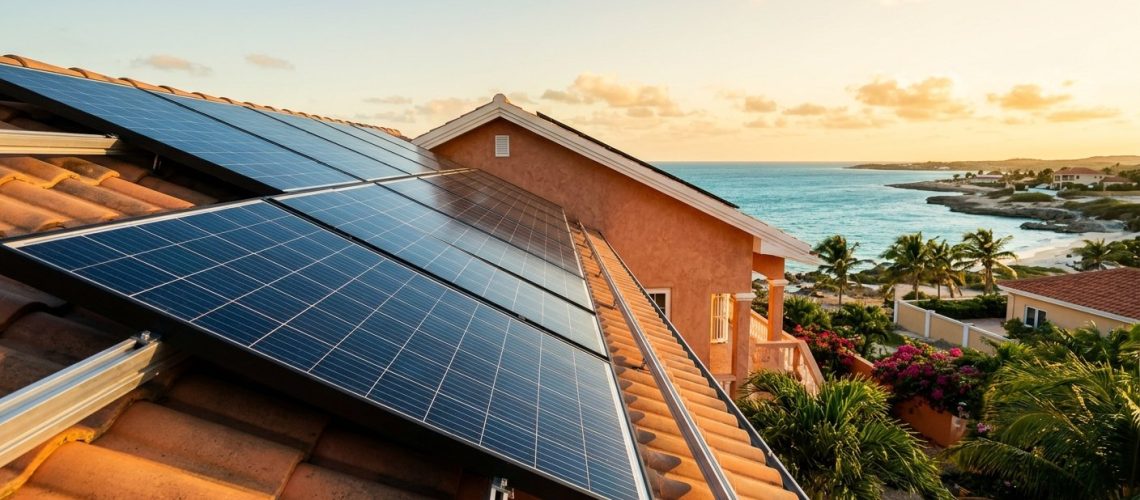
Residential solar panels installed in Aruba typically last 25 to 30 years, with most manufacturers warranting at least 80% of original power output at the 25-year mark. In the Caribbean’s high-irradiance, low-humidity coastal environment, panels can actually perform exceptionally well over their lifetime when properly specified and maintained—making solar one of the most durable long-term investments an Aruba homeowner can make.
- Modern solar panels are warranted for 25 years and can produce power well beyond that milestone.
- Annual degradation rates of around 0.5% mean most panels retain strong output for decades.
- Coastal-grade materials and proper installation are essential for Caribbean home solar systems.
- Routine cleaning and annual inspections are the simplest ways to protect your investment.
- A typical B Energy system offers a 3–5 year payback, so most of your panel’s life is pure savings.
Why Panel Lifespan Matters More in the Caribbean
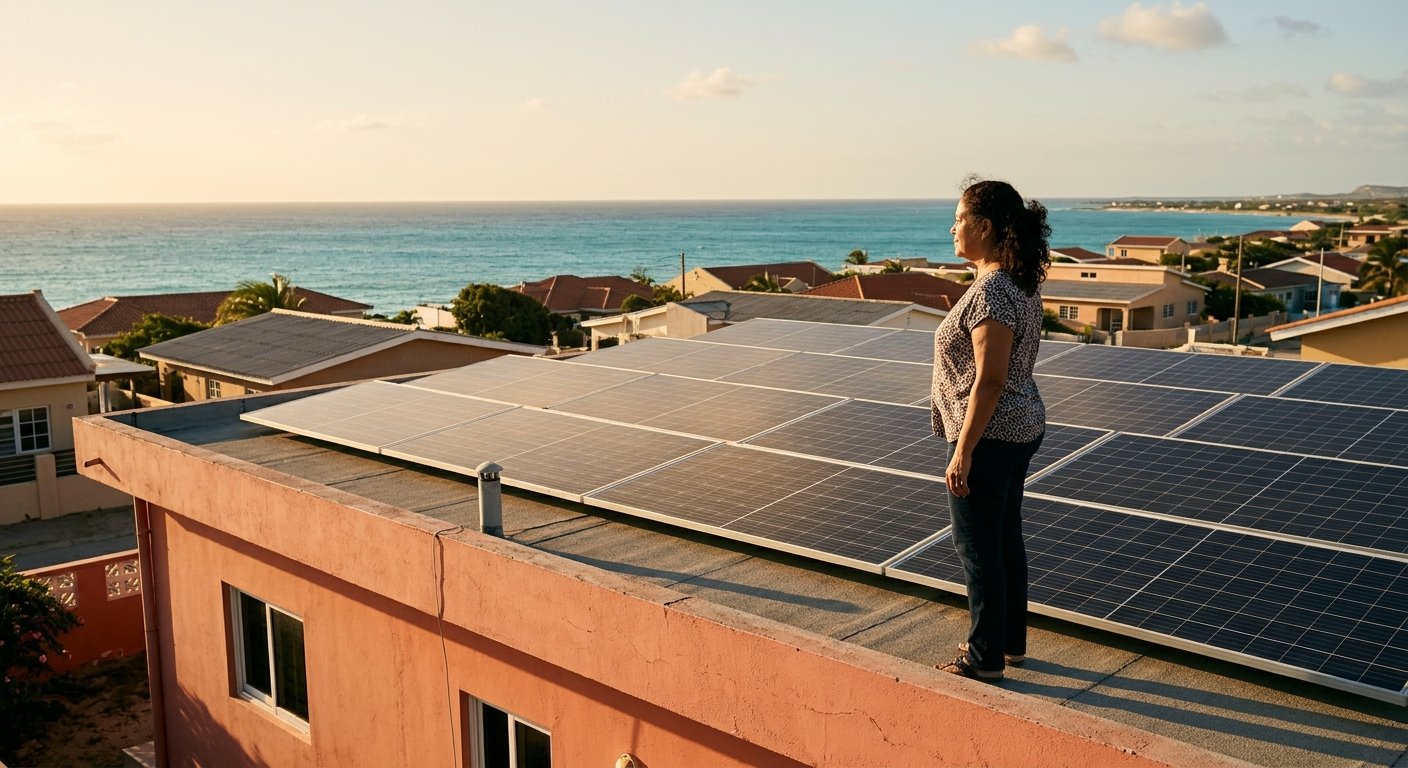
For Aruba homeowners, solar isn’t just about cutting electricity bills today—it’s about locking in energy independence for the next three decades. Electricity prices in the Caribbean are among the highest in the Western Hemisphere, partly because island utilities depend on imported fossil fuels. Every year your panels continue producing power is another year you’re insulated from those costs. Understanding what affects panel longevity lets you make a smarter buying decision and maintain your system so it performs at its best for as long as possible.
The good news is that the Caribbean’s abundance of sunshine, which is the very thing that makes solar so powerful here, doesn’t shorten panel life the way many homeowners fear. What matters more is how panels are engineered, how they’re installed, and how they’re cared for over time.
Every year your panels continue producing power is another year you’re insulated from the high cost of imported electricity.
How Solar Panels Age: The Degradation Rate Explained
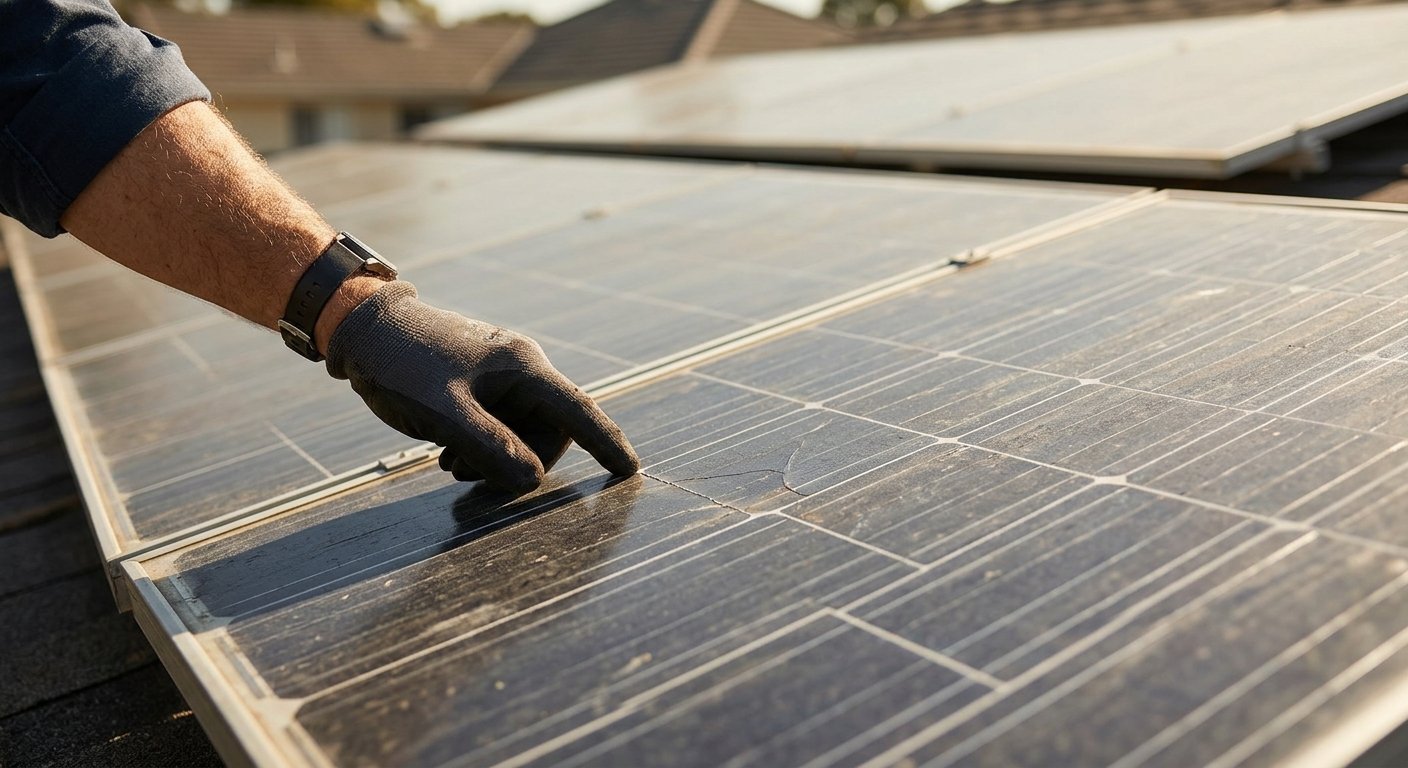
Solar panels don’t switch off one day—they gradually produce slightly less electricity each year. This gradual decline is called the degradation rate. According to the National Renewable Energy Laboratory (NREL), the median degradation rate for modern crystalline silicon panels is approximately 0.5% per year. That means after 25 years, a well-maintained panel is still operating at roughly 87–88% of its original capacity.
For a Caribbean home solar system sized at, say, 8 kWp (a common range for an Aruba family home), that still translates to substantial electricity generation well into your system’s third decade. When you combine that sustained output with the 3–5 year payback B Energy typically quotes, the remaining 20-plus years represent genuine, compounding financial return.
Caribbean-Specific Factors That Affect Panel Life
Intense Sunlight and UV Exposure
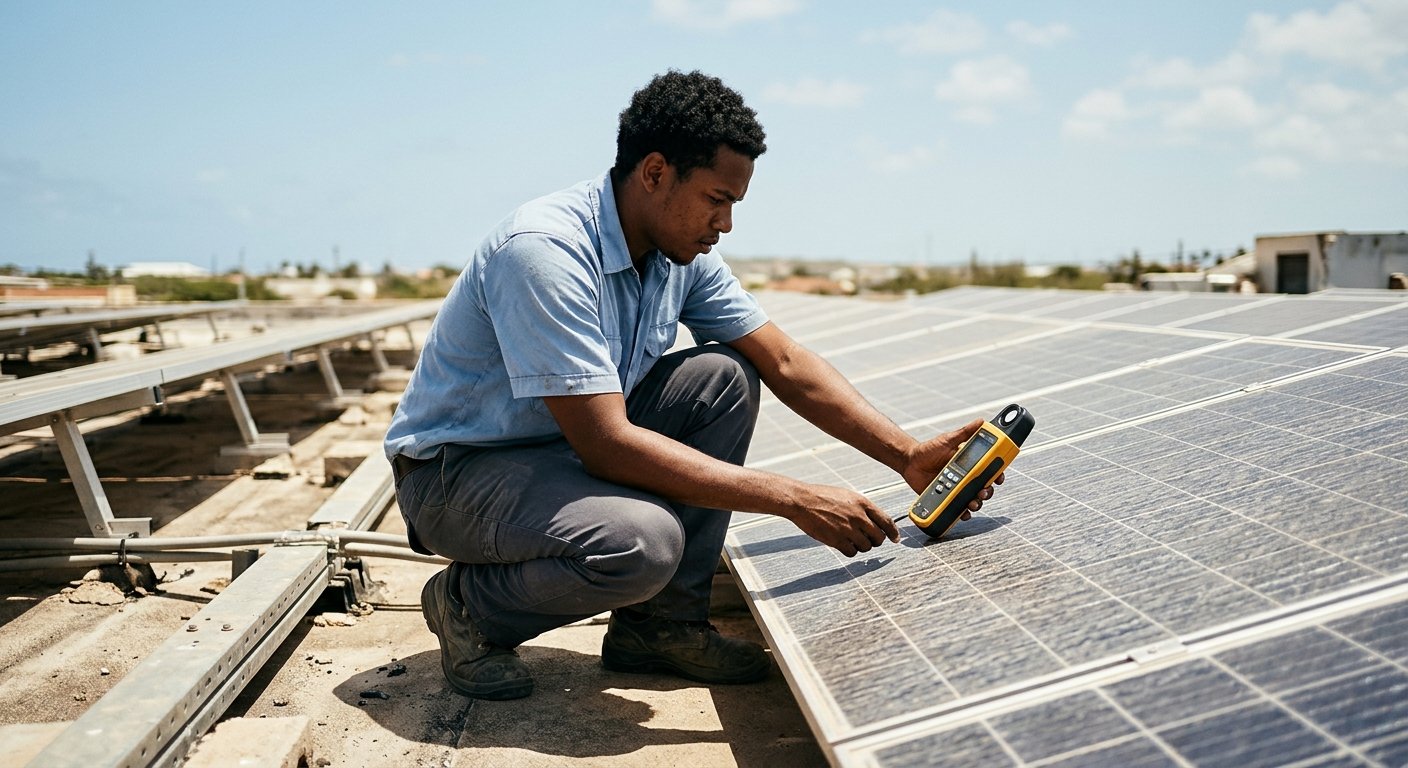
Aruba sits just outside the hurricane belt and receives more than 3,000 hours of sunshine per year. High UV exposure can accelerate the yellowing of encapsulant materials—the protective layers bonded directly to solar cells. Quality panels use UV-stabilized encapsulants and tempered, anti-reflective glass specifically engineered to handle tropical irradiance levels. Choosing panels built to these standards is the first line of defense against premature aging.
Salt Air and Coastal Corrosion
On an island surrounded by ocean, salt-laden air is a constant presence. Salt deposits on panel surfaces reduce light transmission, and salt infiltration into mounting hardware accelerates corrosion. This is why B Energy, as Caribbean solar energy specialists, selects aluminum and stainless-steel racking rated for marine environments and uses module junction boxes sealed to IP67 or IP68 standards. The difference between standard and coastal-rated hardware can be measured in years of additional productive life.
Thermal Cycling
Caribbean temperatures are warm and relatively stable compared to continental climates, which is actually a longevity advantage. Extreme temperature swings—common in temperate regions—cause panels to expand and contract repeatedly, stressing cell interconnects. Aruba’s moderate seasonal range means less thermal stress on the laminate and junction box seals over time.
When reviewing panel specifications, look for the PTC (PVUSA Test Conditions) rating rather than just the STC (Standard Test Conditions) rating. The PTC rating more accurately reflects real-world output in warm, bright conditions like Aruba’s—and gives you a better estimate of long-term production.
What the Warranty Actually Tells You
Most reputable panel manufacturers offer two warranties: a product warranty covering manufacturing defects (typically 10–12 years) and a linear performance warranty guaranteeing that output won’t fall below a stated minimum—often 80%—at 25 years. The International Energy Agency’s Photovoltaic Power Systems Programme notes that modern panels routinely exceed their warranted performance thresholds when installed correctly.
Reading the warranty carefully matters. A performance warranty that guarantees 80% at year 25 using a stepped degradation curve (dropping steeply in early years) is less favorable than a linear warranty that allows only 0.5% degradation per year. When B Energy specifies panels for a home solar installation in Aruba, panel quality and warranty terms are central criteria—not afterthoughts.
Inverters—the devices that convert solar DC power into usable AC electricity—typically have shorter lifespans than panels themselves, around 10–15 years. Budgeting for one inverter replacement during your panels’ 25-year life is a realistic part of whole-system planning.
How to Maximize Your Panels’ Working Life
Aruba’s dry climate is a genuine advantage here. Panels require less cleaning than in dusty desert regions, but a periodic wash still makes a meaningful difference. Here’s what good stewardship of your home solar system looks like in practice:
Clean panels regularly
Bird droppings, salt film, and dust reduce the light reaching solar cells. Rinsing panels with fresh water every few months—early morning before they heat up—keeps output close to its rated capacity without risking thermal shock.
Schedule annual professional inspections
A qualified technician can check for microcracks in cells, inspect mounting hardware for corrosion, verify all electrical connections are tight, and review inverter logs for anomalies—catching small issues before they become costly ones.
Monitor your system’s output
Most modern inverters offer real-time monitoring via a smartphone app. A sudden, unexplained drop in generation is often the earliest sign of a failing component. Consistent monitoring means you act quickly rather than losing months of production unnoticed.
Keep the area around panels clear
Trim any vegetation that might shade panels as it grows. Partial shading—even from a single branch—can significantly reduce output from an entire string of panels due to how series circuits work.
Caribbean Home Solar Systems vs. Standard Installations
Not all solar installations are designed equally, and the differences matter enormously in an island environment. A deeper look at why Caribbean solar panels outlast mainland systems reveals that coastal specification, experienced local installation, and understanding of island-specific conditions are what separate a 25-year system from one that underperforms within a decade.
If you’re weighing a solar investment and want to understand what real savings look like over time, B Energy’s solar energy savings calculator for the ABC Islands lets you model different system sizes against your current electricity consumption—so the numbers are specific to Aruba, not generic estimates. And for more on what island homeowners often don’t realize before going solar, this guide on solar energy savings in Aruba covers the considerations that tend to surprise people most.
For those ready to explore a full residential solar installation in Aruba, B Energy’s community-focused approach means every system is designed with local expertise—from panel selection through mounting hardware, right through to long-term maintenance support.
Frequently Asked Questions
Do Caribbean solar panels degrade faster because of the heat?
Not significantly, when panels are correctly specified. While high temperatures do cause some output reduction on hot days (known as temperature coefficient losses), the Caribbean’s relatively stable year-round temperatures actually reduce the thermal cycling stress that shortens panel life in continental climates. Choosing panels with a low temperature coefficient rating helps minimize this effect.
How does salt air affect the lifespan of my solar panels?
Salt air can corrode substandard mounting hardware and deposit a light film on panel glass that reduces output over time. The solution is coastal-rated racking systems and regular fresh-water rinsing of panel surfaces. Panels themselves—the glass, frame, and encapsulant—are largely unaffected by salt if they meet standard IEC 61701 salt mist corrosion test requirements.
What happens to my panels after 25 years—do they stop working?
No. The 25-year performance warranty is a guaranteed minimum, not an expiry date. Many well-maintained panels continue producing meaningful electricity for 30 years or more. After the warranty period, output will continue to decline gradually, but the panels don’t switch off. Some homeowners choose to add additional panels at this stage rather than replace the entire system.
How often do I need to service a home solar system in Aruba?
A light rinse every couple of months and a professional inspection once a year is a reasonable baseline for most Aruba homes. The dry climate means less grime accumulation than in humid regions, but salt film and occasional bird activity still warrant periodic attention. Your inverter’s monitoring portal is your best early-warning system between scheduled visits.
Does B Energy offer maintenance services for existing solar systems?
Yes. As Caribbean solar energy specialists serving Oranjestad and the surrounding area, B Energy supports homeowners and businesses throughout the life of their systems—not just at the point of installation. Reaching out through the contact page is the best way to discuss your system’s current condition and maintenance needs.
Find out how long your investment will work for you
Talk to B Energy’s team about system specifications, warranties, and what a well-designed Caribbean home solar system realistically delivers over its lifetime.
About B Energy
B Energy is a mission-driven solar energy company serving Caribbean homeowners and businesses in Aruba and surrounding islands. We specialize in designing and installing residential and commercial solar systems (5-100+ kWp) optimized for tropical climates, coastal environments, and hurricane resilience. Our community-focused approach combines a typical 3-5 year payback, energy independence solutions, and environmental stewardship, empowering island residents to lower electricity costs while contributing to a sustainable Caribbean future. Visit b-energy.life →