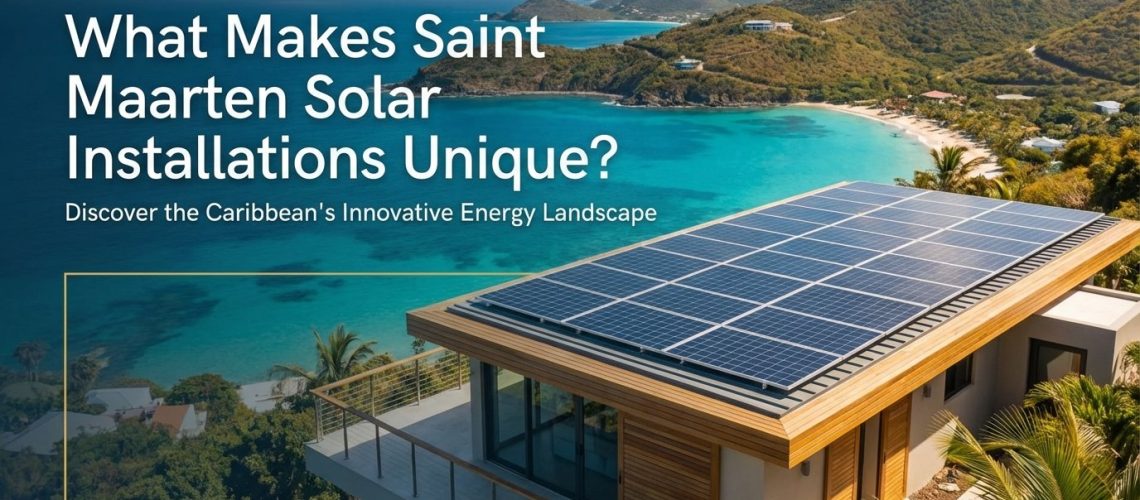
Saint Maarten stands as a beacon of solar innovation in the Caribbean, where unique geographical, regulatory, and environmental factors create a distinctive landscape for renewable energy. This dual-nation island—split between French and Dutch governance—presents solar installation opportunities and challenges unlike any other Caribbean territory. Understanding what sets Saint Maarten solar energy projects apart helps homeowners and businesses across the region make informed decisions about their own renewable energy investments.
The Dual-Governance Solar Advantage
Saint Maarten’s most defining characteristic is its unique political structure. The southern Dutch side (Sint Maarten) and northern French side (Saint-Martin) operate under separate regulatory frameworks, creating distinct solar installation landscapes within a mere 37 square miles.
On the Dutch side, solar installation Saint Maarten projects follow Netherlands Antilles-influenced regulations, with net metering policies that have evolved considerably since Hurricane Irma’s 2017 devastation. The island’s utility infrastructure rebuild prioritized renewable integration, making Sint Maarten surprisingly progressive in grid-tied solar applications. Homeowners installing systems between 5-15 kWp typically see return on investment within 3.5 to 4.5 years—faster than many Caribbean neighbors due to favorable policy environments.
The French side operates under European Union energy directives, creating opportunities for larger commercial installations. French Saint-Martin businesses can access EU-backed financing programs unavailable elsewhere in the Caribbean, making 50-100+ kWp commercial arrays more financially accessible. This regulatory split means solar professionals working across the island must navigate two distinct permitting processes, equipment certification requirements, and grid interconnection standards.
Post-Hurricane Resilience Engineering
Hurricane Irma’s Category 5 impact fundamentally transformed how Caribbean solar installation approaches island solar systems. Saint Maarten emerged from devastation with hard-earned lessons that now inform best practices throughout the region.
Modern Saint Maarten solar energy installations incorporate elevated engineering standards rarely seen elsewhere. Mounting systems must withstand wind loads exceeding 185 mph—significantly higher than standard Caribbean specifications. Installers utilize reinforced aluminum rails, stainless steel hardware rated for extreme corrosion resistance, and specialized roof attachments that distribute force across broader structural areas.
Hurricane-Hardened Design Features
- Aerodynamic panel placement: Strategic positioning minimizes wind uplift forces, with reduced tilt angles during hurricane season
- Micro-inverter redundancy: Distributed inverter systems ensure partial system operation even if components fail
- Rapid disconnect capability: Quick-release mechanisms allow emergency panel removal when extreme weather threatens
- Elevated electrical components: Critical equipment mounted above historical flood levels based on Irma data
- Reinforced conduit systems: Underground wiring where possible, with military-grade protective housing for exposed runs
These adaptations increase initial installation costs by 15-25% compared to standard Caribbean solar installation methods, but the investment pays dividends in system longevity and storm survivability. Saint Maarten’s solar infrastructure weathered 2024’s Hurricane Season with minimal damage—a testament to evolved installation practices.
Coastal Corrosion Considerations
Saint Maarten’s 58 miles of coastline means virtually every property faces aggressive salt-air exposure. The island’s compact geography places most buildings within a mile of ocean spray, creating corrosion challenges that dramatically affect equipment selection and maintenance protocols.
Successful Saint Maarten solar energy installations exclusively specify marine-grade components. Standard aluminum frames corrode within 3-5 years in this environment; marine-anodized alternatives maintain structural integrity for 25+ years. Similarly, electrical connections require specialized dielectric grease applications and weatherproof enclosures rated IP67 or higher.
Panel selection focuses on manufacturers offering Caribbean-specific warranties acknowledging harsh coastal conditions. Premium panels with reinforced frames and saltwater-tested junction boxes cost 10-15% more but eliminate premature replacement expenses. Forward-thinking property owners view this equipment premium as insurance against the island’s unforgiving marine environment.
Maintenance Requirements
Saint Maarten solar installation professionals recommend quarterly system inspections—more frequent than the biannual standard elsewhere. These check-ups include:
- Fresh water panel washing to remove salt accumulation affecting efficiency
- Connection point inspection for early corrosion indicators
- Inverter performance verification and firmware updates
- Mounting system integrity assessment
- Vegetation management around ground-mounted arrays
This proactive maintenance approach extends system life expectancy from the typical 25 years to 30+ years, significantly improving long-term return on investment.
Grid Infrastructure Modernization
Saint Maarten’s post-Irma utility reconstruction created unexpected opportunities for renewable energy integration. Both GEBE (Dutch side) and EDF (French side) rebuilt electrical grids with smart-grid capabilities, advanced metering infrastructure, and distributed generation accommodation built into fundamental system architecture.
This modernization enables island solar systems to contribute to grid stability rather than challenging it. Advanced inverters communicate directly with utility infrastructure, modulating output to support voltage regulation and frequency stability. During peak demand periods, properly configured solar arrays actually strengthen grid performance—a stark contrast to older Caribbean electrical systems where renewable integration creates technical challenges.
For businesses, this infrastructure sophistication enables demand charge management strategies impossible on less-advanced grids. Commercial properties with 25+ kWp systems can strategically time energy consumption and solar production to minimize utility costs beyond simple energy offset. Financial modeling shows Saint Maarten businesses achieve 20-30% better ROI than comparable Caribbean installations due to these advanced utility interactions.
Unique Financing Landscape
Saint Maarten’s international banking presence and dual-governance structure create diverse financing options for Caribbean solar installation projects. Dutch side property owners access Netherlands-based green financing programs with preferential interest rates, while French side residents tap EU sustainable development funds.
Local credit unions and development banks offer solar-specific loan products recognizing renewable energy’s proven ROI. These instruments typically provide 7-10 year terms at competitive rates, with payment structures designed around projected energy savings. Many Saint Maarten homeowners discover their monthly loan payments equal or fall below previous electricity bills—achieving immediate cash-flow neutrality while building equity in energy-producing assets.
Commercial property owners benefit from accelerated depreciation schedules aligned with European or Dutch Caribbean tax codes, depending on property location. These incentives can reduce effective system costs by 25-35% over the first five years, dramatically improving project economics.
Tourism-Driven Solar Opportunities
As a premier Caribbean destination welcoming over one million annual visitors, Saint Maarten’s hospitality sector drives unique Saint Maarten renewable energy applications. Hotels, resorts, restaurants, and vacation rental properties face electricity costs exceeding $0.40 per kWh during peak tourism season—among the Caribbean’s highest rates.
Solar installations sized between 30-150 kWp perfectly match hospitality property consumption patterns. These businesses operate during daylight hours when solar production peaks, creating natural synergy between generation and demand. Forward-thinking resort operators combine solar arrays with battery storage systems (10-50 kWh capacity) to extend solar benefit into evening hours when guest services drive electricity consumption.
The marketing value of visible sustainability commitments amplifies financial returns. Properties advertising solar-powered operations attract environmentally conscious travelers willing to pay premium rates, creating revenue benefits beyond direct energy savings. Several Saint Maarten resorts report their renewable energy investments generate positive press coverage and social media engagement worth thousands in advertising equivalency.
Lessons for Regional Solar Adoption
While Saint Maarten solar energy installations face unique circumstances, the island’s experiences offer valuable insights for Caribbean homeowners and businesses throughout the region. The emphasis on resilient design, marine-grade materials, and proactive maintenance applies anywhere coastal conditions and tropical weather patterns prevail.
Saint Maarten demonstrates that initial investment in superior components and installation practices delivers superior long-term value. The “cheapest system” approach inevitably costs more through premature failures, excessive maintenance, and storm damage. Islands investing in proper solar infrastructure—even at higher upfront costs—position themselves for decades of reliable, cost-effective clean energy production.
The island’s rapid solar adoption following hurricane devastation proves that crisis creates opportunity for transformative change. Communities willing to reimagine energy systems rather than simply rebuilding previous infrastructure emerge stronger, more resilient, and better positioned for sustainable futures.
Connecting Saint Maarten’s Success to Your Solar Journey
Understanding what makes solar installation Saint Maarten unique reveals universal principles applicable across the Caribbean. Whether you’re considering a 5 kWp residential system in Aruba or a 75 kWp commercial installation in another island nation, Saint Maarten’s experiences highlight the importance of:
- Selecting installation partners with proven Caribbean expertise
- Specifying marine-grade, climate-appropriate equipment
- Planning for resilience alongside efficiency
- Understanding local regulatory and utility frameworks
- Viewing solar investment as long-term infrastructure rather than short-term expense
The island’s dual-governance structure teaches us that regulatory frameworks significantly impact project economics and technical requirements. Researching your local policies, incentives, and utility interconnection standards before finalizing solar plans ensures optimal system design and financial performance.
Frequently Asked Questions
How do Saint Maarten solar installations differ from other Caribbean islands?
Saint Maarten solar energy systems incorporate enhanced hurricane engineering, marine-grade corrosion protection, and dual regulatory compliance requirements. Post-Hurricane Irma building codes mandate wind load ratings exceeding most Caribbean standards, while the island’s dual governance creates unique permitting landscapes. These factors increase installation complexity but result in exceptionally resilient systems.
What size solar system works best for Saint Maarten properties?
Residential properties typically install 5-15 kWp systems, while commercial establishments benefit from 25-100+ kWp arrays depending on consumption patterns. Tourism-related businesses with high daytime electricity demand see optimal returns from larger installations paired with modest battery storage.
Are Saint Maarten’s solar lessons applicable to other islands?
Absolutely. While Saint Maarten faces unique governance and hurricane recovery circumstances, core principles regarding coastal corrosion protection, resilient design, quality component selection, and proper maintenance apply throughout the Caribbean. Islands with similar environmental challenges benefit significantly from adopting Saint Maarten’s evolved installation standards.
How long does solar installation take in Saint Maarten?
Residential installations typically complete within 2-4 weeks from permit approval to final interconnection. Commercial projects require 4-8 weeks depending on system size. The dual-governance structure may extend permitting timelines compared to single-jurisdiction islands, though experienced local installers navigate these processes efficiently.
Embracing Solar Excellence in Your Island Community
Saint Maarten’s solar journey—from hurricane devastation to renewable energy leadership—inspires Caribbean communities to reimagine their energy futures. The island proves that thoughtful system design, quality installation practices, and commitment to resilience create solar infrastructure that serves communities for generations.
Whether you’re exploring solar options for your Aruba home, considering commercial installation for your business, or simply learning about Caribbean renewable energy possibilities, Saint Maarten’s experiences offer valuable guidance. The island demonstrates that investing in proper solar infrastructure transforms high electricity costs into energy independence, environmental vulnerability into resilience, and monthly utility expenses into long-term assets.
Ready to begin your solar journey with Caribbean-proven expertise? Connect with experienced professionals who understand island-specific challenges and opportunities. Your path to energy independence, substantial savings, and contributing to a sustainable Caribbean future starts with a single conversation. Discover how properly designed solar installation can transform your property’s energy profile while supporting the broader movement toward renewable-powered island communities.