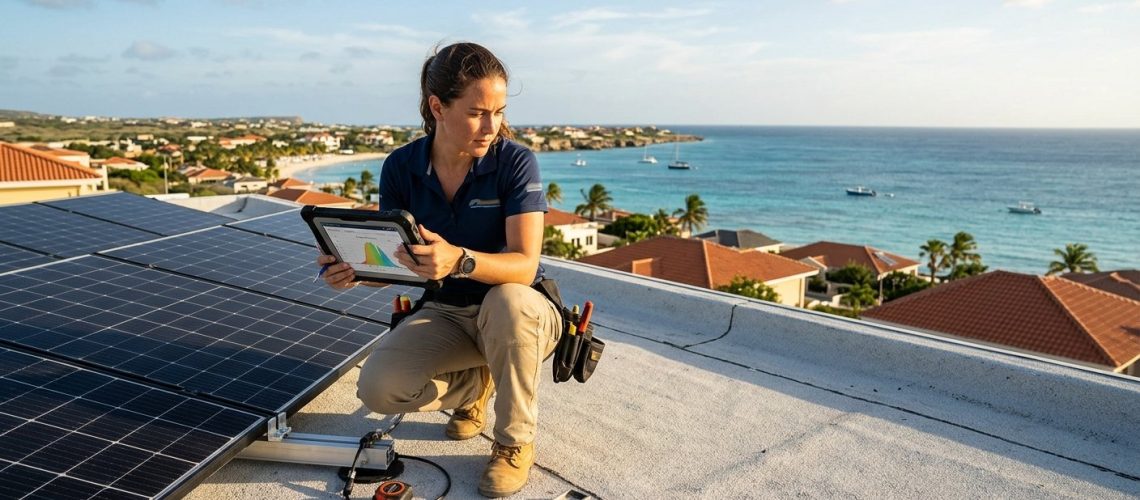
A solar site assessment is a professional evaluation of your property to determine whether, how, and how effectively solar panels can be installed. In Aruba, this process examines your roof structure, shading patterns, electrical setup, and energy consumption to design a system tailored to your specific home or business. It typically takes one to two hours and forms the foundation of every successful solar installation.
- A solar site assessment evaluates your roof, shading, electrical system, and energy needs before any equipment is purchased.
- Aruba’s strong, consistent solar irradiance makes most properties excellent candidates for solar generation.
- B Energy’s assessments are the first step toward a system sized between 5 and 100+ kWp, matched to your actual consumption.
- The assessment shapes your system design, payback projection, and connection to Aruba’s utility grid.
- Most homeowners and businesses in Oranjestad qualify for a 3–5 year payback period based on current electricity tariffs.
Why the Assessment Comes First
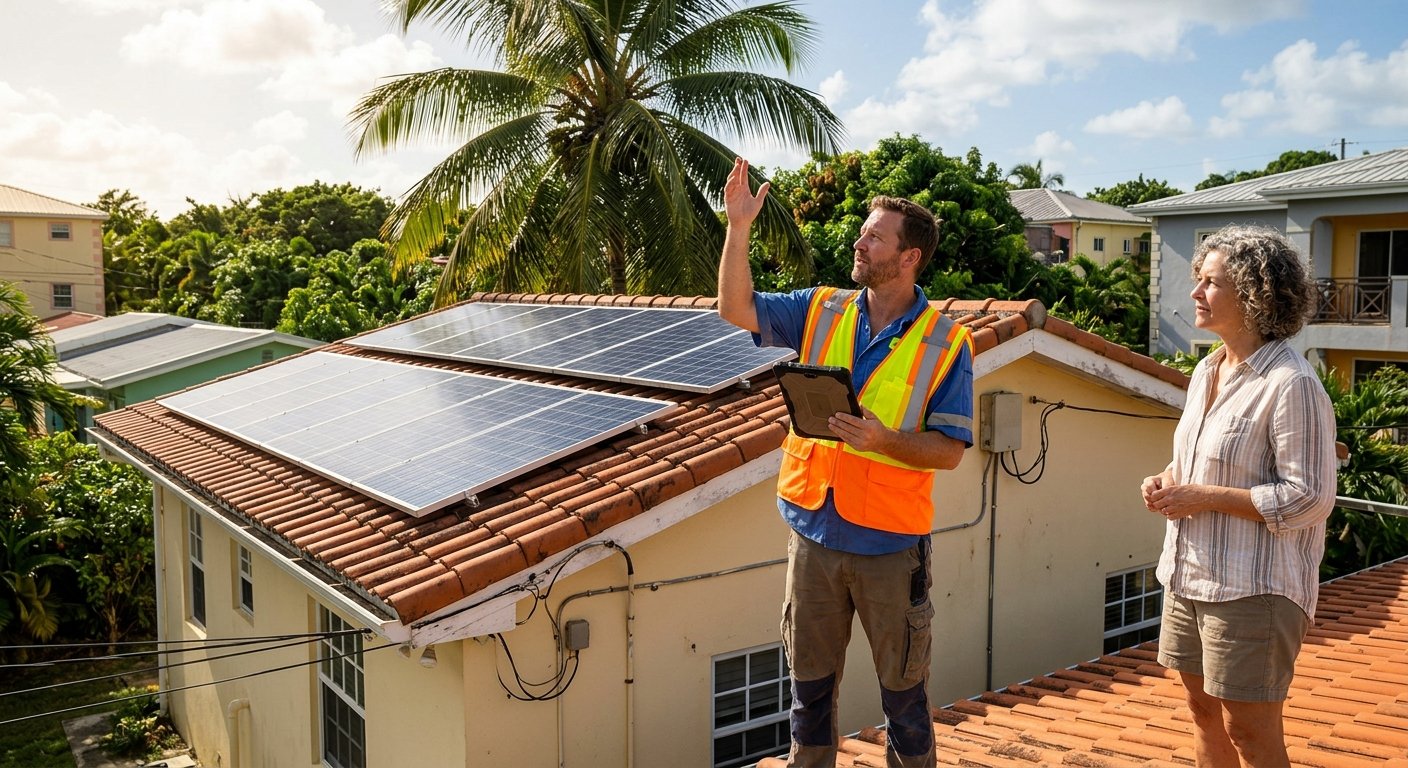
Skipping a thorough solar energy evaluation is one of the most common missteps a property owner can make. Every building on the island is different — rooftop angles, surrounding trees, neighboring structures, and even the age of your electrical panel all affect how much energy a solar system can realistically produce. Without this step, you risk an undersized system that won’t move the needle on your electricity bill, or an oversized one that doesn’t match what the utility grid will accept.
In Aruba, electricity costs consistently rank among the highest in the Caribbean. When you understand exactly how much solar your property can generate versus how much energy you actually consume, the financial case becomes clear and concrete — not just hopeful. That clarity is what a solar site assessment delivers.
Before your assessment appointment, gather your last three to six electricity bills from Elmar (Aruba’s utility provider). Your usage patterns — especially peak consumption months — help the design team right-size your system from day one.
What Happens During a Solar Energy Assessment in Aruba
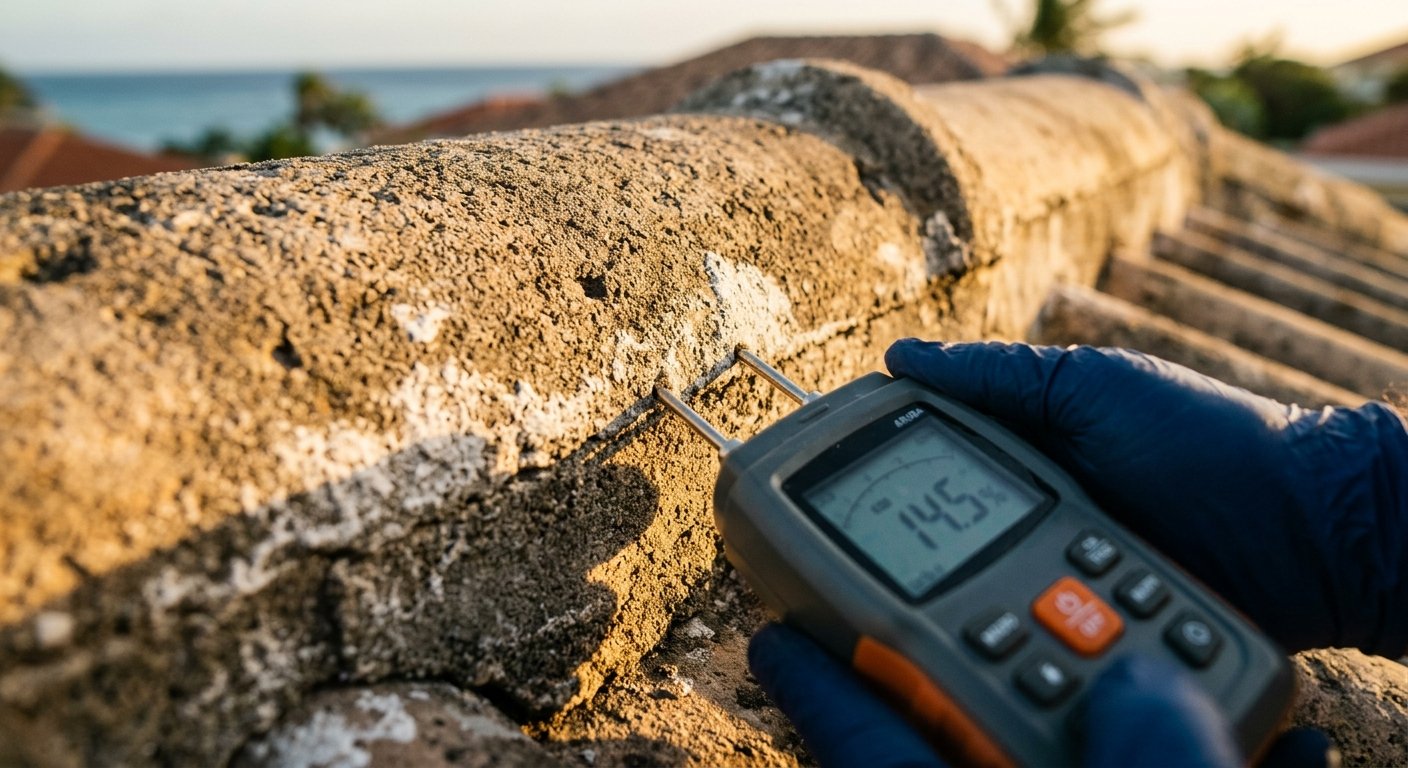
When B Energy’s specialists arrive at your property in Oranjestad, the process is systematic but straightforward. Here’s what each stage covers:
Roof Inspection
The team examines your roof’s material, slope, age, and structural integrity. In Aruba’s coastal environment, rooftops face salt air and intense UV exposure year-round. The assessment confirms your roof can safely support mounting hardware and panels without compromising its existing waterproofing or structure.
Shading and Orientation Analysis
Aruba’s position just outside the tropics means the sun travels a relatively consistent arc overhead throughout the year. Specialists use tools to map shading from nearby trees, walls, or rooftop equipment at different times of day. Even partial shading on a small section of panels can measurably reduce system output, so this step is taken seriously.
Electrical System Review
Your existing electrical panel, wiring, and meter are evaluated. This determines whether your infrastructure can accommodate the new system or whether any upgrades are needed before installation. For grid-tied systems — the most common setup in Oranjestad — proper metering for net metering arrangements with Elmar is confirmed at this stage.
Energy Consumption Analysis
Using your electricity bills, the team calculates your average daily and monthly kilowatt-hour consumption. This directly informs system sizing. A typical Aruban home might need a system in the 5–15 kWp range, while commercial properties often require 20–100+ kWp to meaningfully offset their operational costs.
Custom System Design and Proposal
Everything gathered in steps one through four feeds into a tailored system design. You receive a clear proposal showing projected energy production, estimated bill reduction, equipment specifications, and a realistic payback timeline — typically 3–5 years for properties in Aruba based on local tariff rates.
Aruba-Specific Factors That Shape Every Assessment
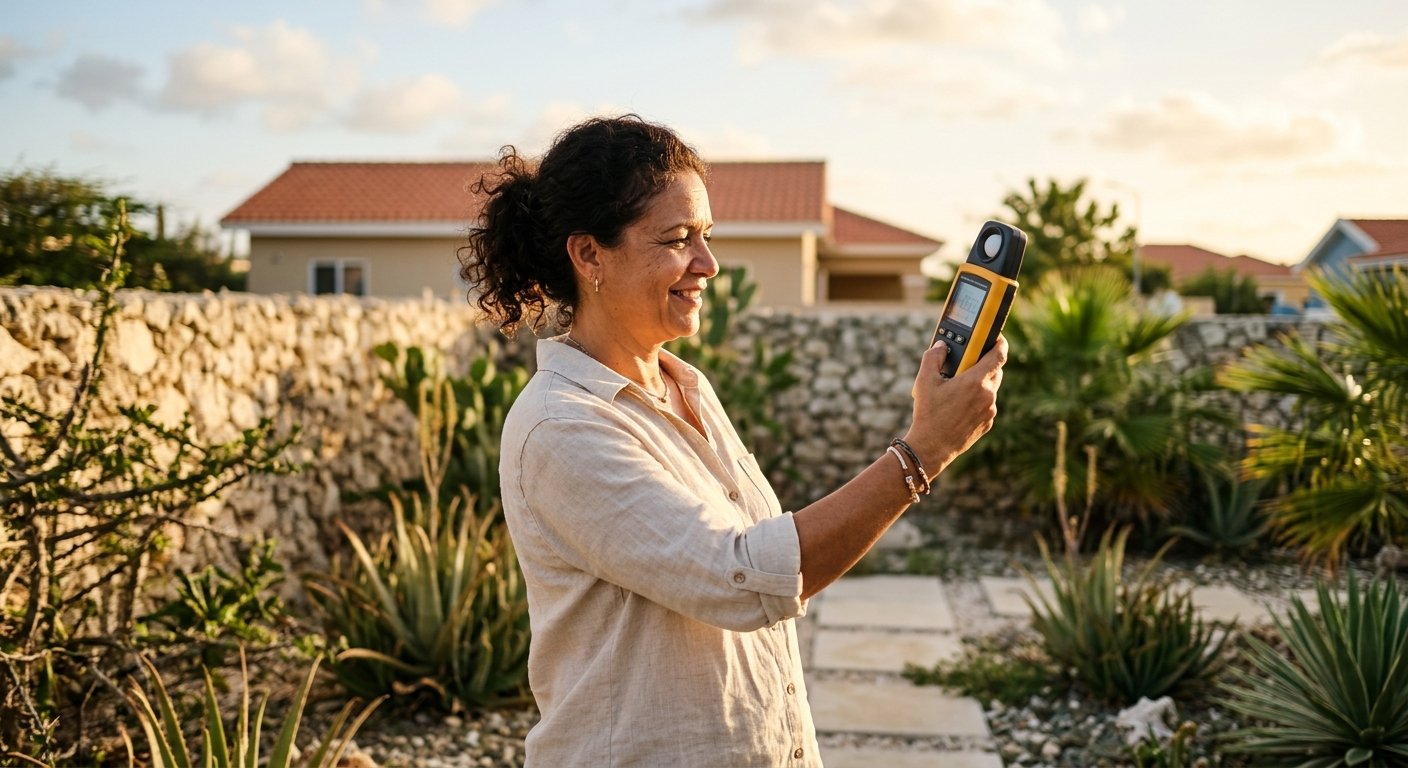
A solar consultation in the Caribbean is not the same as one conducted on a mainland temperate climate. Aruba’s geography and environment introduce considerations that make local expertise genuinely valuable — not just a marketing claim.
Aruba receives exceptional solar irradiance. According to data from the Global Solar Atlas, Aruba averages over 2,000 peak sun hours per year, significantly higher than most of Europe and comparable to the most productive solar regions in the world. This means that a properly designed system here generates more electricity per panel than in many other locations — a crucial factor in calculating your return on investment.
The island’s consistent trade winds also influence panel placement. While they provide natural cooling that actually improves panel efficiency slightly, strong wind events require that mounting systems meet appropriate engineering standards. B Energy’s assessments include evaluating wind load requirements so your installation is built to last in Aruba’s real-world conditions.
As Caribbean solar energy specialists, B Energy’s team understands the nuances of coastal installations — from salt-air corrosion resistance requirements for racking hardware to the specific utility interconnection procedures at Elmar. This island-specific knowledge translates directly into systems that perform reliably for decades.
Coastal corrosion is another factor assessed carefully. Properties close to the sea face accelerated degradation of metal components. During your assessment, materials and coatings are selected with Aruba’s marine environment in mind — not borrowed specs from a continental installation handbook.
Residential vs. Commercial Assessments: Key Differences
| Assessment Factor | Residential | Commercial |
|---|---|---|
| Typical system size | 5–15 kWp | 20–100+ kWp |
| Roof complexity | Moderate | Often higher (HVAC units, multiple zones) |
| Energy audit depth | Monthly billing review | Operational load profiling |
| Utility coordination | Standard metering | May require demand-charge analysis |
| Payback period | 3–5 years (typical) | 3–5 years (often faster at scale) |
For homeowners, the assessment is a relatively personal conversation — it connects your family’s daily comfort to the energy your roof can produce. For businesses, it becomes a financial modeling exercise tied to operational continuity. Either way, the goal is the same: give you the information you need to make a confident decision. You can explore what each path looks like in more detail on our residential solar systems page and our commercial solar solutions page.
The solar site assessment is not a sales visit — it is the moment your energy future becomes a concrete, buildable plan.
What Happens After the Assessment
Once the evaluation is complete, you receive a detailed proposal within a short turnaround. This document is not a generic quote — it reflects the actual characteristics of your property, your measured energy needs, and the solar resource available at your specific address in Oranjestad.
You are under no obligation to proceed, and the assessment is an opportunity to ask every question you have before committing to anything. B Energy’s community-focused approach means you walk away informed regardless of the next step you choose.
For those interested in true energy independence — operating partially or fully off the main grid — the assessment also opens the conversation about battery storage and off-grid solar solutions. Aruba’s growing interest in energy self-sufficiency makes this an increasingly popular direction, particularly for businesses that cannot afford downtime during grid interruptions.
The International Renewable Energy Agency (IRENA) has consistently highlighted the Caribbean’s solar potential as transformational for island energy security — and Aruba’s policy environment increasingly supports private solar adoption as part of the island’s broader sustainability goals.
Frequently Asked Questions
How long does a solar site assessment take in Aruba?
Most residential assessments take between one and two hours. Commercial properties may take longer depending on building size and system complexity. The time spent during this visit directly determines the accuracy of your custom system design, so there’s no benefit in rushing it.
Is the solar energy assessment free?
Contact B Energy directly through the consultation page to discuss assessment arrangements for your property. Details vary based on project scope, and the team will walk you through exactly what to expect before any visit is scheduled.
Will my roof definitely be suitable for solar panels?
Most rooftops in Oranjestad are good candidates, but suitability depends on roof age, structure, orientation, and shading. The assessment exists precisely to answer this question with certainty. In cases where a roof needs reinforcement or partial replacement first, the team will advise you clearly before any installation is proposed.
What is net metering and does it apply in Aruba?
Net metering allows you to send excess solar electricity back to the grid and receive a credit on your electricity bill. Aruba’s utility, Elmar, has provisions for grid-tied solar systems. Your assessment will include a review of current interconnection requirements so your system is designed to take full advantage of available credits.
Can I get a solar consultation if I rent my property?
Solar installations typically require property owner approval since panels are attached to the building structure. If you are a tenant interested in solar, the best path is to involve your landlord early. B Energy can provide information that helps both parties understand the financial and structural benefits before making a joint decision.
Ready to See What Your Property Can Do?
Schedule your solar energy assessment in Aruba today and get a clear, honest picture of what solar can deliver for your home or business — no pressure, no guesswork.
About B Energy
B Energy is a mission-driven solar energy company serving Caribbean homeowners and businesses in Aruba and surrounding islands. We specialize in designing and installing residential and commercial solar systems (5-100+ kWp) optimized for tropical climates, coastal environments, and hurricane resilience. Our community-focused approach combines a typical 3-5 year payback, energy independence solutions, and environmental stewardship, empowering island residents to lower electricity costs while contributing to a sustainable Caribbean future. Visit b-energy.life →