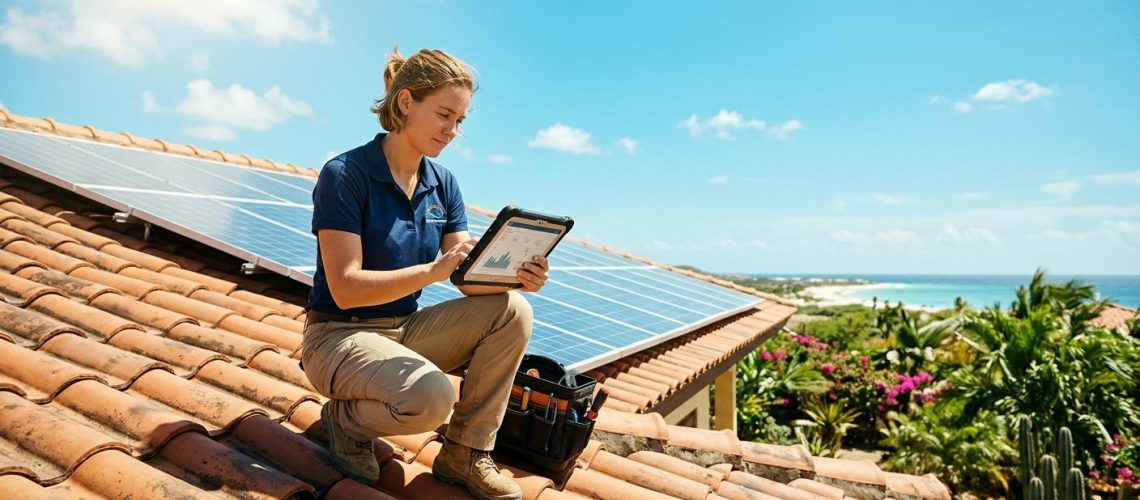
A solar energy audit is a structured assessment of your home’s electricity consumption, roof condition, shading patterns, and energy needs — giving you a clear, data-backed picture of what a solar system can realistically deliver. For Aruba homeowners, it’s the essential first step before any investment decision, translating sunshine into a personalized roadmap for energy independence and lower electricity bills.
- A solar energy audit covers four core areas: consumption analysis, shading assessment, roof condition, and system sizing.
- The audit results directly determine what system size (measured in kilowatt-peak, or kWp) makes financial sense for your specific home.
- Aruba’s near-constant sunshine means most homes qualify for meaningful solar generation — but roof orientation and local shading still matter significantly.
- B Energy typically quotes a 3–5 year payback period for well-matched residential solar systems.
- An audit protects you from oversizing or undersizing — both of which reduce your return on investment.
Why an Energy Audit Comes Before the Solar Panels
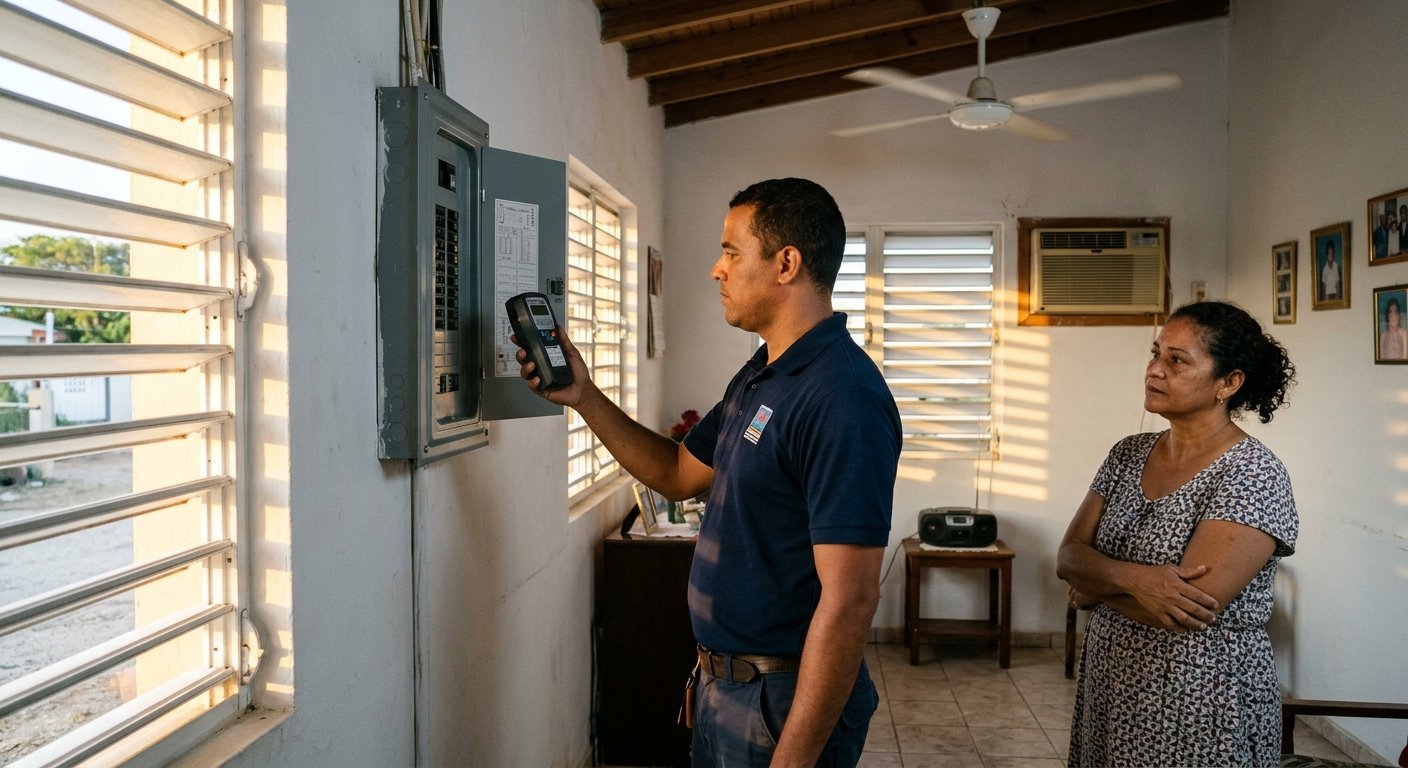
It’s tempting to jump straight to selecting panels and inverters. But skipping an audit is like building a house without a foundation check — the structure might look fine until it isn’t. A thorough solar energy assessment in Aruba ensures that the system designed for your home matches your actual energy reality, not a generic assumption.
Electricity costs in Aruba are significantly higher than in many other places. According to WAPA (Water- en Energiebedrijf Aruba), island electricity is generated largely through fossil fuels, making utility bills a substantial household expense. A proper audit quantifies exactly how much energy your home uses, when you use it, and how much of that load a solar system can realistically offset — giving you an honest, grounded starting point.
The audit doesn’t just reveal what solar can do for your home — it reveals what your home needs from solar.
The Four Pillars of a Solar Energy Audit
1. Consumption Analysis: Understanding Your Energy Appetite
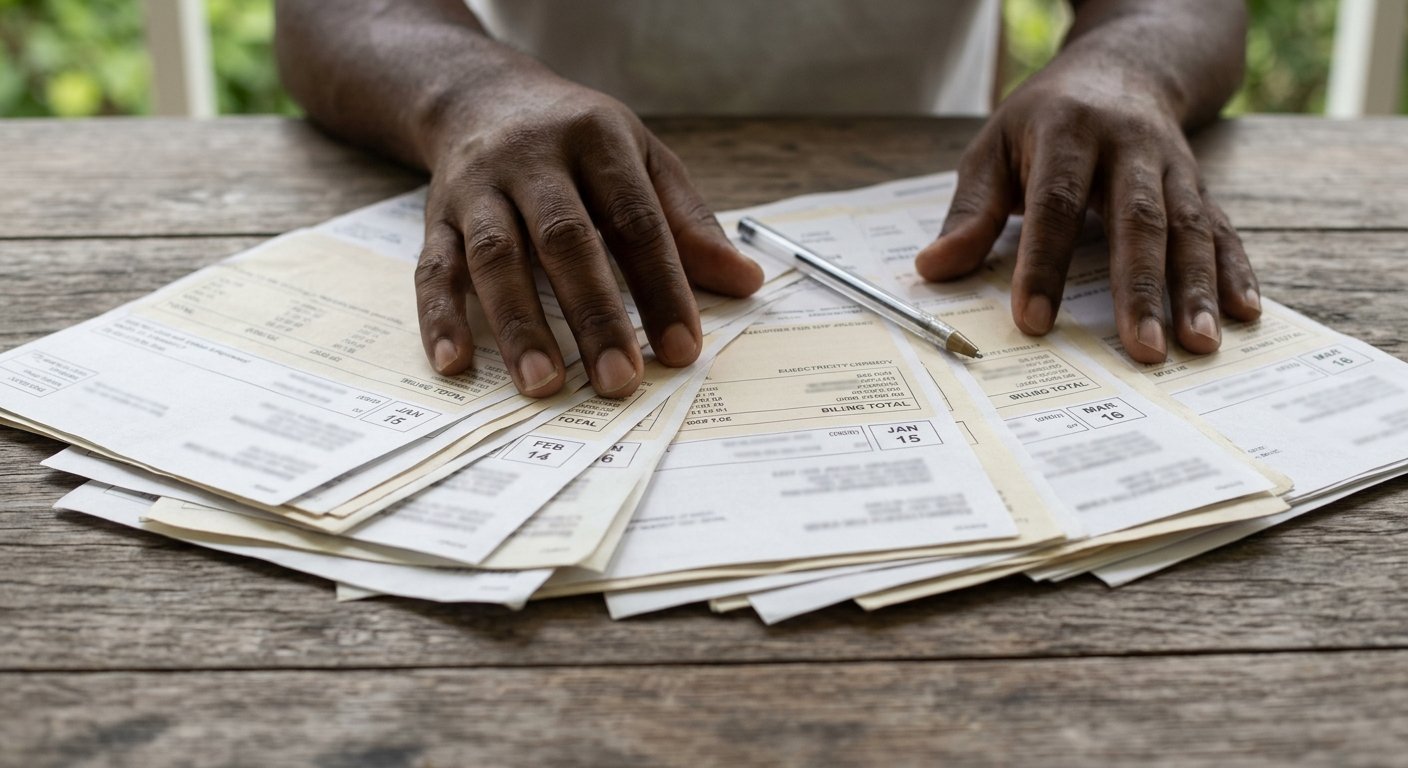
The first thing any credible solar consultation in the Caribbean examines is your electricity consumption data. This typically involves reviewing 12 months of utility bills to capture seasonal variation — air conditioning loads in peak heat months, for example, versus quieter periods. The goal is to understand your average daily kilowatt-hour (kWh) usage and your peak demand windows.
This matters because solar panels generate power during daylight hours. If your household runs most of its energy-intensive appliances — air conditioners, water heaters, pool pumps — during the day, your solar offset potential is higher than a home that consumes most of its power after sunset. The consumption analysis identifies these patterns and informs how a system should be configured.
Gather 12 months of WAPA bills before your audit appointment. Auditors use this full-year picture to account for seasonal variation in both consumption and solar generation — a single month’s data can be misleading.
2. Shading Assessment: Mapping the Sun’s Path Over Your Roof
Aruba enjoys exceptional solar irradiance year-round — a genuine geographic advantage. But even here, shading from trees, neighboring structures, rooftop equipment, or chimneys can meaningfully reduce panel output. A shading assessment maps how shadows move across your roof throughout the day and across seasons, identifying which areas receive consistent, unobstructed sunlight.
Modern shading analysis tools can calculate the precise energy loss caused by partial shading on specific roof sections. This directly influences where panels are placed and whether technologies like microinverters or power optimizers are recommended to minimize the impact of any unavoidable shading. For residential solar installations in Aruba, getting this step right can be the difference between a system that performs at 85% of its rated capacity versus one that consistently underperforms.
3. Roof Condition and Structural Assessment
Solar panels are designed to last 25 years or more. Installing them on a roof that needs replacement in five years creates an expensive problem — panels must be removed and reinstalled when roofing work is done. A solar audit includes a roof condition check to assess the age, material, and structural integrity of your roof before any system is designed.
In Aruba’s coastal environment, salt air accelerates wear on certain roofing materials. Auditors look for signs of deterioration, check that the roof structure can support the additional weight of a solar array (typically 10–15 kg per panel), and assess whether any repairs or reinforcements should happen before installation begins. If your roof is in good shape, this step simply confirms it — giving you confidence in the installation timeline.
Aruba’s salt-laden sea air creates unique wear conditions for roofing materials. A roof assessment during your solar audit catches issues early, protecting both your home and your solar investment from preventable complications down the line.
4. System Sizing: Right-Sizing for Real Results
Armed with consumption data, shading maps, and roof information, the audit produces a system sizing recommendation measured in kilowatt-peak (kWp). For typical Caribbean family homes, systems in the 5–10 kWp range cover most daytime loads effectively. Larger properties or homes with pools, multiple air conditioning units, or home offices often benefit from systems in the 10–20 kWp range. Commercial properties and businesses may require systems scaling to 100 kWp or beyond.
Right-sizing is about matching generation capacity to your actual needs — not selling the biggest possible system. An oversized system in a home that uses modest amounts of electricity delivers poor financial returns. An undersized system leaves significant bill-reduction potential on the table. The sizing recommendation from a thorough audit is the foundation of a residential solar ROI calculation in the Caribbean that you can trust.
Use B Energy’s solar savings calculator for the ABC Islands to get an initial sense of what your system size might mean for your monthly bills — then confirm the specifics through a full audit.
Gather your utility bills
Collect 12 months of WAPA electricity bills. Your auditor uses this to calculate average daily consumption and identify seasonal patterns in your energy use.
On-site shading and roof assessment
A specialist visits your property to map sun exposure across your roof, evaluate shading obstacles, and inspect roof condition and structural suitability for panel installation.
Consumption and generation modeling
Your consumption data is matched against your roof’s solar potential to model how much energy a system of various sizes would realistically generate at your specific location.
System sizing recommendation
You receive a clear recommendation for system capacity (in kWp), panel placement, and inverter configuration — specific to your home, not a template.
Financial projection review
The audit concludes with a projected payback period and estimated bill offset, grounded in your actual data. B Energy typically projects a 3–5 year payback for well-matched systems.
What the Audit Results Mean for Your Investment Decision
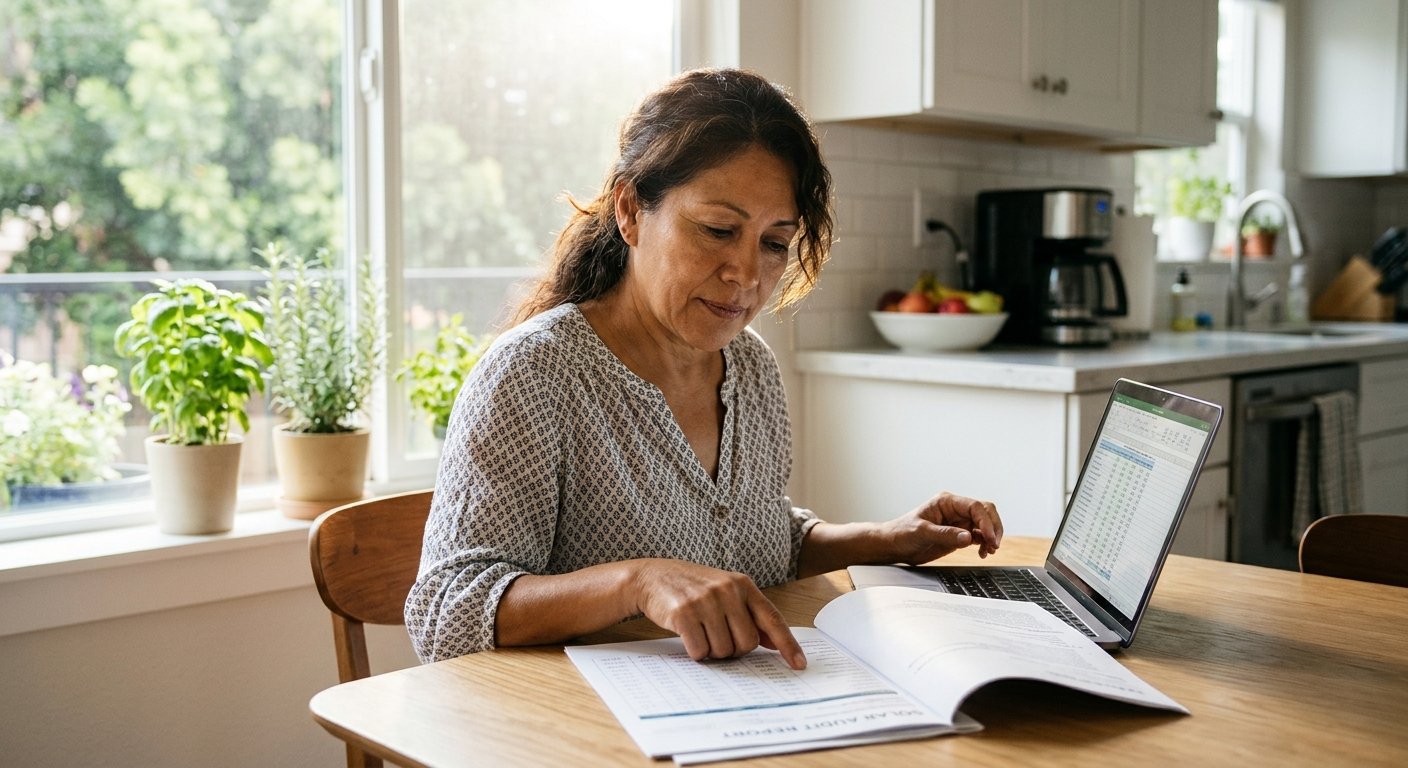
The practical output of a solar energy audit is a personalized investment picture. You’ll know the recommended system size, the estimated installation cost range, the projected monthly bill reduction, and the expected payback timeline. This transforms the decision from an abstract interest in solar into a concrete financial choice with real numbers behind it.
For homeowners who want to understand the nuances of what savings look like in practice — including factors that often go undiscussed — the article what no one tells you about solar savings in Aruba is a useful complement to your audit findings. And if long-term durability in Aruba’s coastal conditions is a consideration, it’s worth understanding why Caribbean solar panels are built to outperform mainland systems — a factor that affects the long-term value of your investment.
According to the International Renewable Energy Agency (IRENA), small island developing states like Aruba face disproportionately high energy costs tied to fossil fuel dependence — making the financial case for solar particularly compelling at the household level. An audit is what turns that broad opportunity into your specific opportunity.
Frequently Asked Questions
How long does a solar energy audit take for an Aruba home?
Most residential audits involve an on-site visit of one to two hours for the physical assessment, followed by a few days of analysis before you receive your findings and system recommendation. The timeline varies slightly depending on the complexity of your property and consumption patterns.
Is a solar energy assessment in Aruba free?
Many solar companies, including B Energy, offer an initial consultation as part of the process of designing a system proposal. Contact B Energy directly to understand what their current consultation process includes for Oranjestad homeowners.
What if my roof isn’t in great condition?
If the audit identifies roofing concerns, it’s usually recommended to address them before installation begins. This protects your solar investment by avoiding the cost of removing and reinstalling panels when roof repairs are eventually needed. Your auditor will outline what work, if any, is advisable.
Can an audit determine if I should consider off-grid solar?
Yes. For homeowners who want complete energy independence rather than just bill reduction, the consumption analysis in your audit is the starting point for evaluating battery storage needs. B Energy’s off-grid solar design service for Aruba homes builds on exactly this kind of data.
Does a home solar audit also apply to small businesses?
The same core methodology applies to commercial properties, though the consumption profiles, system sizes, and financial projections are different. Commercial audits typically look at larger systems (20–100+ kWp) and factor in business operating hours, peak demand tariffs, and ROI timelines relevant to business investment decisions.
Taking the First Step Toward Energy Independence
A solar energy audit is not a sales pitch — it’s information. It tells you, with specificity and honesty, whether solar makes sense for your home, how large a system you actually need, and what you can realistically expect in return. As Caribbean solar energy specialists serving Oranjestad and the surrounding area, B Energy’s approach to audits is rooted in that same principle: give homeowners the full picture so they can make confident, informed decisions.
The island’s sunshine is abundant. The question the audit answers is how much of it your home can harvest — and what that means for your family’s financial future and your contribution to a more sustainable Aruba.
Ready to See What Solar Can Do for Your Home?
Book a solar energy assessment with B Energy and get a personalized picture of your savings potential, system size, and payback timeline — grounded in your actual consumption data.
About B Energy
B Energy is a mission-driven solar energy company serving Caribbean homeowners and businesses in Aruba and surrounding islands. We specialize in designing and installing residential and commercial solar systems (5-100+ kWp) optimized for tropical climates, coastal environments, and hurricane resilience. Our community-focused approach combines a typical 3-5 year payback, energy independence solutions, and environmental stewardship, empowering island residents to lower electricity costs while contributing to a sustainable Caribbean future. Visit b-energy.life →